


Let's be honest, chasing down client payments is the worst part of the job. It's awkward, time-consuming, and a major drag on your cash flow. You're tired of waiting for checks to clear and watching credit card fees eat into your revenue. This is exactly why setting up automated bank transfers is a game-changer for modern firms.
The key to unlocking this streamlined process is the ACH authorization form. It's more than just a piece of paperwork; it's a powerful agreement that puts you in control of your billing cycle. It allows you to pull payments directly and predictably, turning collections into a smooth, automated background process instead of a monthly headache.
Key Takeaways
- Use ACH to stabilize your firm's finances: Getting client permission for direct bank transfers helps you automate collections, significantly reduce credit card processing fees, and create a more predictable revenue stream.
- Get the authorization details right: To stay compliant with Nacha rules, your form must include the client's full contact and bank information, a clear statement of permission, and instructions on how they can cancel the agreement.
- Integrate authorization into your onboarding: The most effective approach is to build payment authorization directly into your digital proposal. A platform like Anchor secures client payment details upfront, which eliminates manual errors and creates a seamless client experience.
What Is an ACH Authorization Form, Anyway?
Let's start with the basics. Think of an ACH authorization form as a digital handshake between you and your client. It's a legal agreement that gives you permission to pull funds directly from their bank account through the Automated Clearing House (ACH) network. This is how you get paid for recurring services like monthly bookkeeping or one-time projects without chasing down checks or dealing with high credit card fees.
For any firm that wants to automate its billing, getting this authorization is a critical first step. It's the document that makes direct bank transfers possible, secure, and, most importantly, legal. It clearly states who is paying whom, how much, and how often. Without a properly completed form, you can't process ACH payments, which can bring your cash flow to a halt. Manually managing these forms can be a real headache, involving printing, scanning, and chasing signatures. This old-school process is not only slow but also prone to errors and security risks. It's exactly why so many modern firms are moving to automated solutions that build this authorization right into the initial client agreement, making the entire process seamless from day one.
How Do ACH Forms Actually Work?
The process is pretty straightforward. An ACH form works for both one-off payments and recurring billing, which is perfect for the flexible way accounting firms work. Your client fills out the form with their key details: their name, bank name, account type (checking or savings), routing number, and account number. They also agree to the payment terms, like the amount and frequency of the withdrawals.
Once signed, this form gives you, the service provider, the green light to initiate payments as agreed. It's the official record of consent. This simple document is what stands between you and a fully automated payment system, taking the awkwardness out of collections and putting you in control of your cash flow. It's the foundation for a smoother, more predictable billing and collections process.
Staying Compliant: What NACHA Rules You Need to Know
Here's where things get serious. The ACH network is governed by an organization called Nacha (National Automated Clearing House Association), and they have specific rules for these forms. Every single ACH authorization you collect must be Nacha-compliant to ensure the transaction is secure and legally sound. This isn't just red tape; it's about protecting both you and your client.
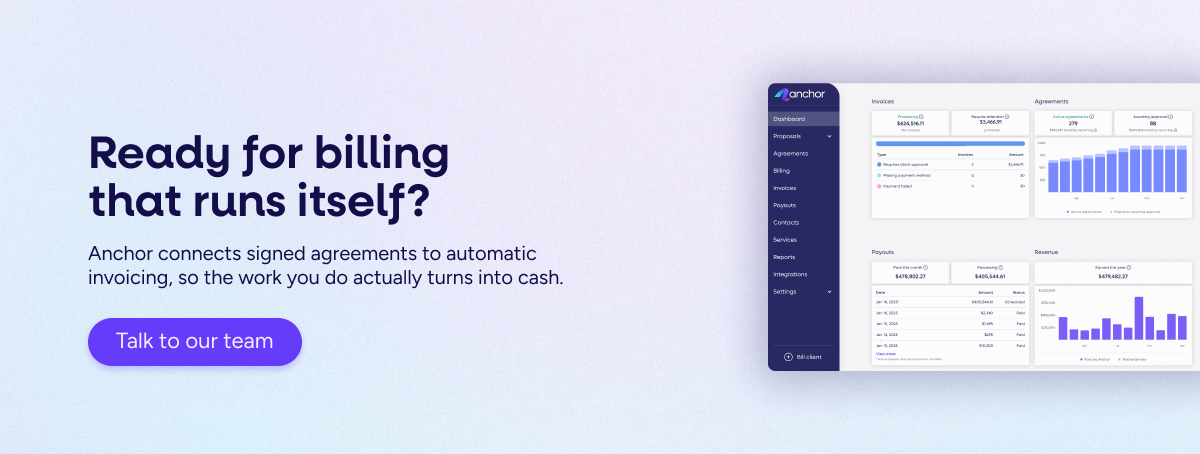
Key requirements include using clear and understandable language, specifying whether the authorization is for single or recurring payments, and explaining how the client can revoke their authorization. Getting this wrong can lead to returned payments and compliance headaches. This is why using a system like Anchor is so helpful. It builds compliant authorization right into the client agreement process, so you don't have to worry about missing a crucial detail.
Why Your Firm Needs ACH Authorization Forms
Let's be honest, getting paid can sometimes be the most challenging part of running your business. Chasing down late payments, dealing with high credit card fees, and waiting for checks to clear can feel like a full-time job. This is where ACH authorization forms come in. They aren't just another piece of administrative paperwork; they're a powerful tool for streamlining your entire billing process.
Think of an ACH authorization as a green light from your client that allows you to pull payments directly from their bank account on an agreed-upon schedule. It's the foundation for a more predictable, efficient, and profitable firm. By getting this permission upfront, you can automate your collections, reduce administrative headaches, and build a healthier financial future for your business. It's about taking control of your cash flow instead of letting it control you. With a platform like Anchor, this process becomes seamless, integrating directly into your client onboarding so you can set it and forget it.
Save Money on Processing Fees
If you're tired of seeing a chunk of your hard-earned revenue disappear into credit card processing fees, ACH is your new best friend. Credit card companies typically charge between 1.5% and 3.5% per transaction, which adds up fast. ACH payments, on the other hand, have drastically lower transaction costs, often costing just a few cents per transaction. This isn't just a small saving; it can translate to thousands of dollars back in your pocket each year. Anchor makes this even better by offering free ACH transfers, so you can keep 100% of your revenue without passing extra fees onto your clients. It's a simple switch that directly impacts your bottom line.
Get a Better Handle on Your Cash Flow
Waiting for checks to arrive in the mail creates a huge question mark in your cash flow forecast. ACH payments remove that uncertainty. With authorization in hand, you know exactly when payments will be initiated and when the funds will hit your account, often within just a few business days. This predictability is a game-changer for financial planning, allowing you to make business decisions with confidence. When you use a system like Anchor, payments are automatically pulled based on your client agreements. This means no more guessing games or crossing your fingers. You get a clear, real-time view of your revenue, making cash flow management a whole lot less stressful.
Cut Down on Payment Errors
Manual data entry is a recipe for mistakes. A typo in a credit card number or a misread check amount can lead to declined payments, awkward follow-up calls, and delayed revenue. Efficiently managing ACH authorization forms from the start eliminates these manual touchpoints. By capturing and verifying your client's banking information once, you create a reliable system for all future payments. Anchor automates this entire process by connecting a client's payment method right from the proposal stage. This ensures the information is accurate from day one, invoices are paid automatically, and you can say goodbye to the headaches of failed transactions and human error.
What Exactly Needs to Be on Your ACH Form?
Think of your ACH authorization form as a contract. It's a clear agreement between you and your client, and getting the details right from the start prevents headaches later. To stay compliant and ensure payments go through smoothly, every form needs to include a few key pieces of information. Let's walk through exactly what you need to have on your form.
Essential Client Information
First things first, you need to know who you're working with. Your form must include your client's full name, address, and phone number. This isn't just for your records; it's a core requirement for identifying the account holder and making sure the authorization is legitimate. According to the NACHA Operating Rules, which govern the ACH network, this basic contact information is non-negotiable for creating a valid authorization. It's the foundation of a compliant and trustworthy payment process.
Bank Details and How to Verify Them
This is where the money is, literally. You'll need to collect the client's bank name, their 9-digit routing number, and their account number. Accuracy here is everything, as a single wrong digit can cause a payment to fail. Traditionally, firms have asked for a voided check or a bank letter to verify these details and reduce the chance of errors. While effective, this adds an extra step for your client. Getting this information right upfront is crucial for ensuring transactions are processed correctly the first time.
The Right Words: Authorization and Revocation Clauses
The language on your form matters a great deal. You need a clear, straightforward authorization statement where the client explicitly gives you permission to debit their account. Just as important is a revocation clause. This section must explain how a client can cancel their authorization in writing. Including this not only keeps you compliant but also builds trust. It shows your clients that they are in full control of their payments, which can make them more comfortable with the entire process.
Getting the Signature and Date Right
Finally, no authorization is complete without a signature and a date. This is the client's official confirmation that they've read the terms and agree to them. Whether it's a handwritten signature on a paper form or a secure e-signature on a digital document, this step is what makes the agreement legally binding. The date serves as a record of when the authorization was given. Skipping this final piece can invalidate the entire form, so make sure it's always included.

What to Ask Your Clients For
Alright, let's get down to the nitty-gritty. You know you need an ACH authorization form, but what information actually goes on it? Getting this part right from the very beginning is the key to avoiding declined payments, compliance headaches, and awkward follow-up emails with clients. Think of it as creating a clear, mutual understanding before any money changes hands. It's not just about collecting data; it's about setting the foundation for a smooth and professional financial relationship.
When you ask for this information, framing it as a standard, secure part of your onboarding process helps put clients at ease. Most people are used to providing these details for everything from gym memberships to utility bills. Your goal is to make it just as straightforward. By collecting a few key pieces of information, you ensure every transaction is authorized, accurate, and hassle-free for everyone involved. Let's walk through the exact checklist of what you need from your clients.
Personal ID Basics
First up, you need the basic contact information to properly identify your client. This is non-negotiable. Every form must include the client's full name (or the official business name if you're working with a company), along with their phone number and email address. These details confirm who is authorizing the payment and give you a way to communicate with them about their account. Think of the ACH authorization form as a standardized document that solidifies this agreement, and these personal details are the first step in making it official and tying the authorization to a specific person or entity.
The Necessary Banking Info
This is the most critical part of the form. To successfully pull funds, you need your client's complete and accurate bank account details. Specifically, you'll need to ask for three things: the name of their bank, their account number, and their 9-digit routing number. It's a good idea to advise clients to copy this information directly from a check or their online banking portal to prevent typos. A single incorrect digit in the bank account details can lead to a failed transaction, which means delays in getting paid and extra administrative work for you to sort it out.
Specifics of the Payment Authorization
Finally, the form must clearly state what the client is agreeing to. This isn't the place for vague language. The authorization needs to specify the exact terms of the payment, including whether it's a one-time charge or a recurring one. For recurring payments, you must state the amount and the frequency (e.g., monthly on the 1st). The form also needs to explain how a client can cancel their authorization and how much notice they need to provide. This transparency is crucial for building trust and ensuring you're compliant. With Anchor, these terms are built directly into your digital proposal, so clients agree to everything upfront in one seamless step.
Common (and Costly) ACH Authorization Mistakes to Avoid
Setting up ACH payments is a smart move, but simple slip-ups on the authorization form can cause major headaches like payment delays and compliance trouble. The good news is these mistakes are completely avoidable with the right systems in place. Let's walk through the most common pitfalls so you can sidestep them with confidence.
Missing Client Details
It sounds basic, but it's surprisingly common to miss a crucial piece of information. A valid ACH authorization needs the client's full name, address, and phone number, plus their complete bank details: account and routing numbers, and account type. Missing just one of these can cause a rejected payment. This forces an awkward follow-up conversation with your client and slows down your cash flow.
Forgetting Important Disclosures
This is a big one. Every ACH form must clearly state that the client is giving you permission to debit their account and explain how they can revoke that permission. According to the rules set by Nacha, these disclosures are non-negotiable. Forgetting them puts you at risk of non-compliance and can damage client trust. Being transparent about payment terms shows clients you respect their financial control, which is always a good look.
Breaking NACHA Rules (Even by Accident)
NACHA's rulebook is designed to keep electronic transactions secure, and your forms must follow it perfectly. The problem is, these rules are dense and change over time. A DIY template you found online might not be fully compliant, and an accidental violation could lead to fines. This is where a dedicated billing platform shines. Tools like Anchor are built to be NACHA-compliant, taking the burden of regulatory research off your shoulders.
Not Verifying Client Info Properly
Typos happen, but a single wrong digit in an account number can derail a payment. That's why verifying your client's bank information is so important. The old-school way was asking for a voided check, but that adds friction to your onboarding process. A better approach is digital verification. When clients sign a proposal through Anchor, they connect their payment method directly via a secure portal. This process validates their information instantly, preventing errors and fraud from the start.
How to Talk to Clients About ACH Payments
Let's be honest, asking a client for their bank account information can feel a little awkward. It's a sensitive topic, and it's completely normal for clients to have questions or feel a bit hesitant. But shifting clients to ACH payments is one of the smartest moves you can make for your firm's financial health. It stabilizes your cash flow, cuts down on administrative work, and reduces costly transaction fees.
The key to making this transition smooth is all in the conversation. It's not about making a demand; it's about explaining the mutual benefits and building trust. When you approach the topic with confidence and transparency, you show your clients that you're not just thinking about your bottom line, you're also thinking about making their lives easier. By framing it as an upgrade to your payment process that benefits everyone, you can turn a potentially tricky conversation into a positive step forward for your client relationship. The following steps will help you guide that discussion and address any concerns head-on.
Easing Concerns About Sharing Bank Info
The moment you mention connecting a bank account, you might see a client's guard go up. That's a totally normal reaction, so your first step is to acknowledge and validate their concern. You can start by saying something like, "I understand that sharing bank information feels like a big deal, and I want you to know that we take the security of your data very seriously."
From there, explain the safeguards you have in place. This is where using a secure platform is non-negotiable. You can confidently explain that you use a system with bank-level encryption to protect their information. Mentioning that ACH is the same trusted network used for payroll direct deposits and Social Security payments can also help normalize the request and build confidence.
Explaining the "Why": Cost and Convenience
Once you've addressed the security issue, you can focus on what's in it for them. The two biggest client-facing benefits of ACH are convenience and cost savings. Frame the switch as an upgrade that makes their life easier. Instead of having to remember to mail a check or pay an invoice online each month, payments will be handled automatically. It's a true "set it and forget it" process that saves them time and mental energy.
You can also explain how ACH helps keep costs down. Credit card companies charge processing fees, which can add up. By using ACH, which has much lower transaction fees, you can avoid passing those costs on to them. It's a simple, direct benefit that every client can appreciate.
Building Trust Through a Clear Process
A confusing process will only create more hesitation. The best way to build trust is to walk your clients through a clear, simple, and transparent authorization process. Instead of sending them a clunky PDF to fill out, you can guide them through a modern, digital experience. This is where a tool like Anchor really shines. Our interactive proposals allow clients to review your agreement, accept the terms, and securely connect their payment method all in one seamless step.
Explain exactly how it works: they'll connect their bank account once, upfront, within the secure proposal. Reassure them that they will always have full transparency into when payments are scheduled. This clarity removes uncertainty and shows that you're committed to a straightforward and professional partnership.
How to Securely Manage and Store ACH Forms
Getting a client to sign an ACH authorization form is a huge win, but it's also where a huge responsibility begins. You're now the guardian of some of their most sensitive financial information. Just downloading a signed PDF and saving it to a desktop folder isn't going to cut it. You need a rock-solid process for managing and storing these forms to protect your clients, and your firm, from fraud and data breaches.
Handling this data securely is non-negotiable. A single mistake can damage your reputation and lead to serious compliance issues. The good news is that you don't have to become a cybersecurity expert overnight. The right tools can handle the heavy lifting for you, ensuring every form is stored safely and managed according to industry standards. This is about moving away from risky manual processes and embracing a system that builds client trust from day one.
Encrypting and Storing Data Safely
Think of encryption as a secret code for your client's data. It scrambles their banking information so that even if someone unauthorized gets their hands on it, it's completely unreadable. Storing unencrypted ACH forms on a local computer or a basic cloud drive is a major security risk. A better approach involves using a system that not only encrypts the data but also integrates directly with payment gateways. This creates a secure, automated workflow where signed forms trigger bank uploads without you ever having to manually handle or store vulnerable files. This is exactly how Anchor is designed to work, keeping sensitive information protected from the moment your client enters it.
Controlling Access and Retaining Records
Not everyone on your team needs access to your clients' bank account details. Limiting who can view and manage ACH information is a critical step in preventing internal mishaps and external threats. You should have clear policies on who has access and why. Beyond access, you also need to think about retention. The official NACHA rules require you to keep ACH authorization records for at least two years after the authorization is terminated. Manually tracking this for every client is a recipe for disaster. A platform like Anchor automates this by keeping a secure, auditable trail of every agreement, ensuring you stay compliant without cluttering up your shared drive with sensitive documents.
Verifying Identities to Prevent Fraud
How do you know the person providing the bank details is actually your client? Verifying their identity is your first line of defense against payment fraud. While ACH payments are an incredibly secure payment method, that security depends on a solid verification process. Instead of just accepting information from an email or a static form, modern systems build verification into the workflow. With Anchor, clients connect their payment method directly within the secure proposal they're signing. This creates a much stronger link between the authorization and the actual account holder, significantly reducing the risk of someone using stolen information. It's a smoother, safer experience for everyone involved.
Digital vs. Paper Forms: Which Is Better?
Let's be honest, there's a certain comfort in paper forms. You can hold them, file them, and physically see the signature. But in the world of client billing, that comfort comes at a cost: time, money, and a clunky client experience. While paper feels familiar, digital forms are designed for the way we work now. They're faster, more secure, and frankly, just easier for everyone involved. The choice isn't just about paper versus pixels; it's about sticking with manual processes or embracing an automated workflow that gives you more control and your clients a better impression of your firm.
The Perks of Going Digital
Switching to digital ACH authorization forms is one of the quickest ways to streamline your collections process. Think about it: no more printing, mailing, or waiting for a client to find a scanner. Digital forms can be completed and returned in minutes, not days. This speed directly impacts your cash flow. Plus, you eliminate the risk of illegible handwriting or incomplete fields, which often leads to awkward follow-up calls.
Digital payments are also incredibly cost-effective. ACH payments offer significant advantages over paper checks and even credit cards, with drastically lower transaction costs. By going digital, you're not just saving on paper and postage; you're reducing processing fees and the administrative time spent chasing down payments and correcting manual entry errors. It's a simple change that adds up to real savings.
Keeping Digital Forms Secure
It's natural to wonder if digital forms are as secure as a signed paper document locked in a filing cabinet. The answer is that they are often far more secure. A paper form can be lost, copied, or viewed by anyone who comes across it. Digital forms, on the other hand, are protected by layers of security. They live within encrypted systems with controlled access, ensuring only authorized people can view sensitive client information.
The security of digital ACH authorizations is built into the process. The ACH network itself is a closed system, which dramatically cuts down on fraud risk compared to paper checks. Furthermore, a key part of modern ACH management is its integration with payment gateways and automated workflows. This means that once a client signs a form, the data is securely transmitted without manual intervention, minimizing the chances of human error or a security breach.
Creating a Better Client Experience
Your billing process is a direct reflection of your firm's professionalism. Asking a client to print, sign, and scan a form feels outdated and inconvenient. A digital process shows that you value their time. With a few clicks, they can review the terms, enter their information, and provide their authorization from any device. It's a smooth, modern experience that builds trust from the start.
This is where a platform like Anchor truly shines. Instead of sending a separate, clunky form, the payment authorization is built directly into the initial proposal. Clients get a clean, e-commerce-like experience where they can review your services, accept the terms, and connect their payment method all in one seamless step. This automated workflow not only makes life easier for your clients but also ensures you have a compliant authorization on file before any work even begins.
How Anchor Automates Compliant ACH Authorization for You
Let's be honest, managing ACH authorization forms can feel like a full-time job. You're juggling compliance rules, chasing down client information, and trying to store everything securely. It's a lot of administrative work that takes you away from what you actually do best. What if you could skip the manual paperwork and still have ironclad, compliant authorizations for every client?
That's exactly where Anchor comes in. We built our platform to handle the entire billing and collections process, and that includes taking the headache out of ACH authorizations. Instead of treating it as a separate, clunky step, we've integrated it directly into a smooth, professional client experience. You get the authorization you need without the administrative drag, and your clients get a simple, clear process they can trust.
Connect Payment Methods from the Start
The best way to avoid chasing down an ACH form is to get authorization from day one. With Anchor, the payment authorization is built directly into your digital proposal and engagement letter. When your client is ready to sign, they are prompted to connect a payment method right then and there. They can choose free ACH transfers or a credit card. This simple step completely changes the dynamic. You're no longer asking for payment details later; it becomes a natural part of the onboarding process. This approach ensures you have a compliant authorization on file before any work even begins, putting you in control of your billing and collections from the start.
Generate and Validate Forms Automatically
Are you worried about using the right legal language or including all the necessary NACHA disclosures? Anchor takes care of that for you. Our platform automatically generates the required authorization language within the client agreement. There's no need to copy and paste clauses or wonder if your form is compliant. Because the authorization is part of the digital agreement your client signs, you have a clear, time-stamped record of their consent. This automated workflow eliminates the risk of manual errors and ensures every authorization is properly documented, creating a system you can rely on. It's a core part of how Anchor works to protect your revenue.
Create a Seamless Billing Workflow
Once your client signs the agreement and connects their payment method, you're all set. Anchor's system uses that initial authorization to create a completely seamless billing workflow. Invoices are generated and sent automatically based on the terms you agreed upon, and payments are collected without any further action from you or your client. This creates a predictable and professional experience for them while ensuring consistent cash flow for your firm. By standardizing the process, you remove friction and build trust, making billing a positive touchpoint instead of a chore. It's one of the key solutions for accountants looking to streamline their operations.
Frequently Asked Questions
Is it really secure for my clients to enter their bank details online? That's a great question, and it's one you should absolutely be asking. The short answer is yes, it is incredibly secure when done through the right platform. Reputable systems like Anchor use bank-level encryption to protect sensitive data, which is the same standard your own online banking portal uses. It's actually much safer than emailing unencrypted forms or handling paper copies that can be lost or misplaced.
What if a client wants to stop their automatic payments? Clients always have the right to revoke their authorization, and your process should make that clear. A compliant ACH authorization form must include a clause explaining exactly how a client can cancel their recurring payments. With a system like Anchor, this is managed within the client agreement, so the terms are transparent from the start and any changes can be handled professionally without confusion.
Can I use ACH for both one-time projects and monthly retainers? Yes, absolutely. ACH is flexible and works perfectly for both recurring billing and single payments. You can set up an authorization for a monthly bookkeeping fee that runs automatically, or you can use it for a one-time charge for a specific project, like tax preparation. This versatility is what makes it such a great fit for accounting firms that often have a mix of billing structures.
Do I still need to create my own ACH form if I use a service like Anchor? Nope, and that's one of the biggest benefits. Instead of you having to find a compliant template and manage it as a separate document, Anchor builds the authorization directly into the digital proposal. When your client signs your engagement letter, the legally sound authorization language is already included, and they connect their payment method in the same step. It completely eliminates the need for a separate form.
How quickly will I receive the money after an ACH payment is processed? While not instant, ACH payments are very reliable. Typically, funds will appear in your bank account within three to five business days after the transaction is initiated. The real advantage here is predictability. Unlike waiting for a check to arrive and clear, you know exactly when the process starts and can forecast your cash flow with much greater confidence.